Zeolites: A group of naturally occurring, hydrous aluminosilicate minerals with a unique porous crystal structure. Economically mineable deposits of these minerals primarily form through the alternation of volcanic ash in desert lake systems.
Due to their unique porous crystal structure, Zeolites are capable of absorbing large amounts of water and other substances. This occurs mainly in the interior of the mineral crystals, not on the surface. On the molecular level, holes and channels in the structure account for this phenomenon. The channel size, specific for each mineral species, controls what can enter the crystal. For this reason, Zeolites are commonly referred to as “molecular sieves”.
Certain cations in the crystal structure are exchangeable. Depending on concentration and other characteristics, cations in solution may exchange for the sodium, potassium, and calcium which naturally occur in the mineral. In general, Zeolites prefer, or are selective for, larger cations such as metals, ammonia, radionuclides and a variety of organic molecules. This makes natural Zeolites useful for many applications such as water treatment and agriculture.

In agriculture, natural Zeolites give excellent performance as a soil amendment, and improve the utilization of nutrients and water, as well as for composting.
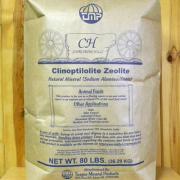
Clinoptilolite, a specific zeolite mineral, increases the feed efficiency for many animals. It also works well as an odor absorber for animal bedding.

As an absorbent material, Zeolites have been used for solidification of hazardous wastes and cleaning up other pollutants. It works well as an oil and grease absorbent. Gas absorption and catalytic properties may also allow the use of natural Zeolites for dealing with many airborne pollutants. They can absorb many oxides of sulfur and nitrogen.

In general, Zeolites prefer, or are selective for, larger cations such as metals, ammonia, radionuclides and a variety of organic molecules. This makes natural Zeolites useful for many applications such as water treatment and agriculture.

Zeolites can provide the raw material for ceramics, paper, and other products as functional filler.
They can absorb many oxides of sulfur and nitrogen. Zeolites can also absorb moisture from air, giving excellent performance as a desiccant for many applications.

Their thermal absorption characteristics also allow their use in solar-powered heating and cooling systems.
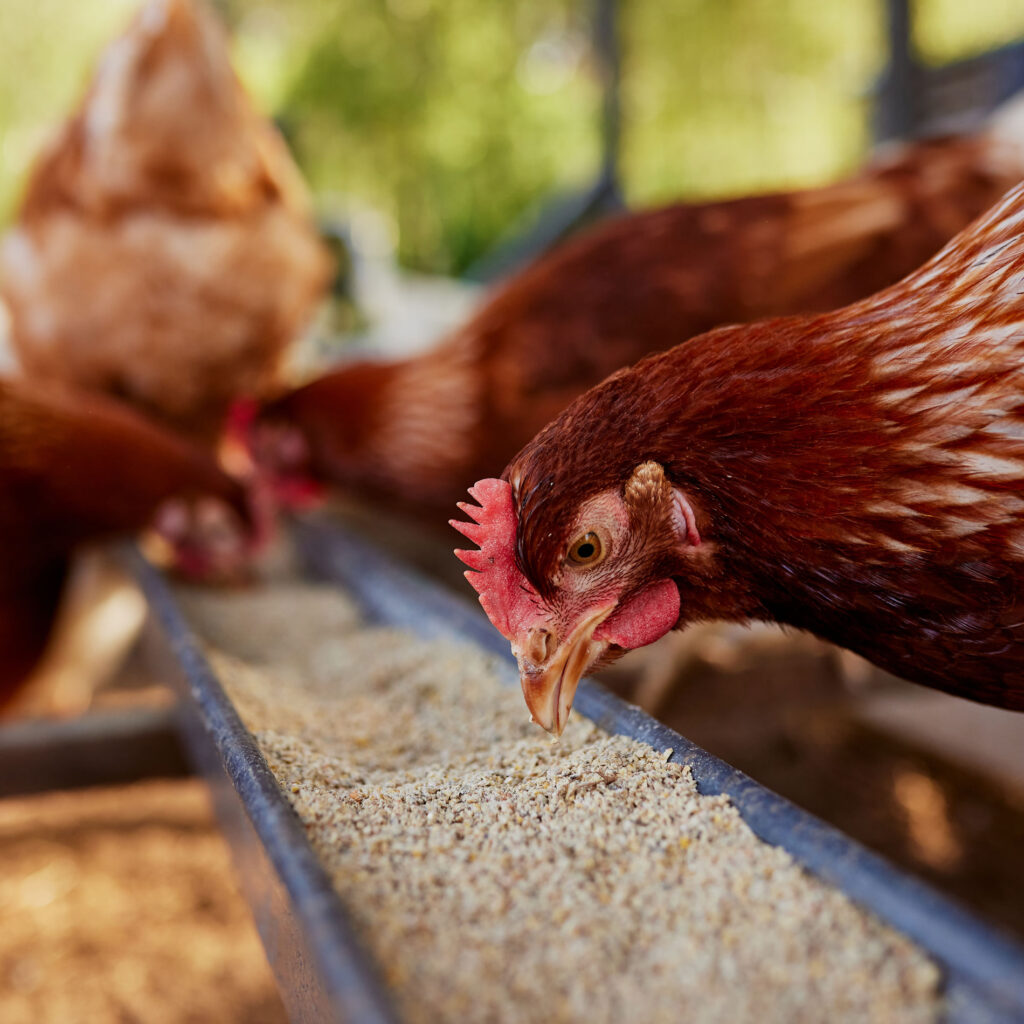
Zeolites help in absorbing toxins from their bodies allowing a better nutrient absorption rate. Zeolites also help to kill mycotoxins in feed. This results in improved overall health and immunity of the animal.
With research and use, continual discovery of new uses occurs. Many remain in the research and development stage, but are coming into wider use as Zeolites prove their effectiveness.
Zeolites, an unusual group of minerals with a porous crystal structure, offer great potential for cost-effective solutions to a wide variety of environmental problems. These uses are steadily expanding as research continues.
CH Zeolite – Due to their selectivity for large cations in solution, Clinoptilolite Zeolites (“clino”) provide an effective means for wastewater treatment plants to remove ammonium from solution. Regeneration with a brine solution allows reuse of the clino and recovery of the ammonium for fertilizer production.
Zeolites can also absorb radionuclides from contaminated waters. In addition to their usage at Three Mile Island for water decontamination, Zeolites have other uses in radioactive waste treatment/disposal. Pilot scale testing of TMP zeolite, has been used recently to investigate the use of clino for sorbent barriers. Clino barrier trenches are used for low-level waste to selectively absorb cesium, strontium and cobalt leached from the waste by infiltrating groundwater. Other research includes testing to determine if clino can inhibit uptake of radioactive cesium by food crops on Bikini Atoll, the site of nuclear testing in the ‘40s and ‘50s. If successful, this technique may also work to inhibit the uptake of heavy metals by plants.
XY Zeolite – The newest environmental application of clino is for solidification/stabilization of hazardous waste. PCP sludge from a wood treatment facility was successfully solidified for disposal in a hazardous waste site using TMP Zeolite. A successful in situ application combining zeolite, bentonite and cement has been used in a Superfund site to stabilize lead, PCP’s and creosote.
Research is ongoing for clino to remove heavy metals from contaminated industrial, agricultural and mine waters. Clino exhibits an exceptionally strong affinity for lead, cadmium, silver and other metals. It should prove extremely cost-effective compared to other materials commonly used for heavy metal sorption. Zeolites can also absorb a wide variety of organic molecules and testing suggests they may effectively remove viral components.
Teague Mineral Products also provides high quality sodium bentonite for use as a soil sealant in sewage lagoons, hazardous waste sites, sanitary landfills and similar facilities which require impermeable barriers. The high purity makes TMP bentonite very cost-effective since it generally requires less to achieve the desired permeability.
In a recent article by Dr. Frederick Harper, Extension Horse Specialist, University of Tennessee, Ammonia, Foals Don’t Mix in Just Horses, May 1998. Dr. Harper talks about the danger from respiratory diseases in the foal from 2-6 months of age. The exposure caused by Equine high protein diets, such as alfalfa, in which urea volatizes to ammonia, is one of the major causes. Reducing the level of ammonia foals are exposed to in their environment, can greatly improve the chances of avoiding these problems. Dr. Harper mentioned a few minerals such as lime and sodium bisulfate and a commercial stall product that are used to reduce ammonia in bedding. Another study, at the University of Edinburgh in Scotland, indicated that the gasses in horse urine may carry equine influenza and other viruses.
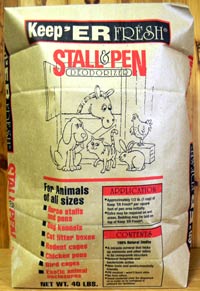
Teague Mineral Products, Adrian OR, makes a commercial stall refresher product, Keep ‘ER Fresh™, from a variety of the mineral zeolite, called Clinoptilolite or “clino”. It is a rock formed from volcanic ash falling into an alkaline lake millions of years ago during the Tertiary age. It has a unique porous honeycomb crystalline structure. When it comes in contact with ammonia, an exchange of cations contained in this structure occurs, and ammonia is absorbed and locked into the crystals. This exchange is measured with a term called CEC (cation exchange capacity). The higher the CEC of any one deposit, the more absorption and retention of ammonia is possible. Different deposits vary greatly in their CEC.
The ideal application of these products is under the bedding. This keeps dustiness to a minimum and creates a barrier “floor” for ammonium adsorption. When the bedding material is changed, more zeolite can be added to the “floor” without removing the soiled zeolite because the ammonia that it has adsorbed is locked up from cation exchange. This application has been used by the Houston Livestock Show in years past. Keep ‘ER Fresh™, made from Teague’s zeolite deposits in Eastern Oregon, controlled odors from 5,000 pens of cows, horses, chickens and other animals that draw the public to the show each year. Officials from the show have had favorable comments about reduction of allergic reactions to dust and odor, since using zeolite. Locally, it is available at D&B Supply. Stable Boy™ also made from the Teague zeolite, is marketed on the eastern coast of the US, Canada and the UK.
Keep ’ER Fresh™ is pH neutral and won’t harm the animal’s skin. The silicate that is intrinsic to the mineral structure is not free silica and is not known to cause respiratory problems. All in all, “clino” zeolite is one of the safest products on the market for horse stall and pens, and gives a great advantage in locking up ammonia and adsorbing odors.